At a glance
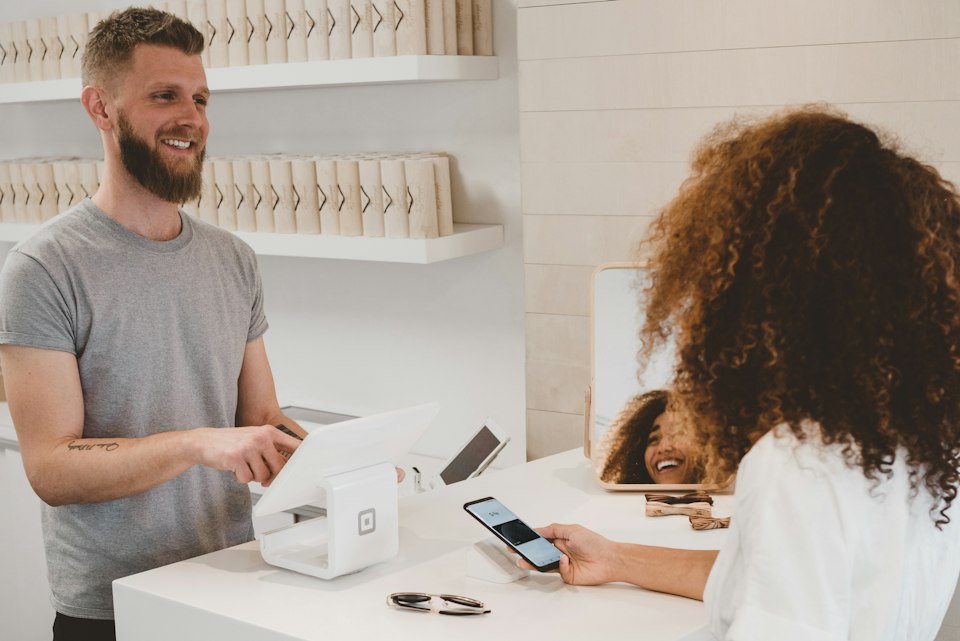
- Digital wallets are commonly used for small transfers, merchant payments and some bills.
- Not every small shop, rural business or transport provider accepts the same payment method.
- Verify the recipient name before confirming a transfer, secure your phone and account recovery, and avoid sending deposits to unverified listing contacts..
Practical details
Understand what digital wallets do
Digital wallets are commonly used for small transfers, merchant payments and some bills. Eligibility and account limits can differ according to identity and residency documentation.
Keep cash and cards as backups
Not every small shop, rural business or transport provider accepts the same payment method. Maintain secure access to a conventional bank and emergency funds.
Prevent payment mistakes
Verify the recipient name before confirming a transfer, secure your phone and account recovery, and avoid sending deposits to unverified listing contacts.
Before acting, verify current requirements with the relevant government agency, provider or qualified local adviser.
In-depth original research
This section preserves the detailed material from our original relocation guide, arranged under this subject instead of buried in the full book. Some procedures or figures may have changed since it was written.
Wise, GCash, and Moving Money
Use Wise as the routine bridge from U.S. money to pesos. Use GCash or Maya for small local payments after the money has arrived. Keep retirement savings and the main emergency reserve in established U.S. accounts, with a Philippine bank account and cash/card backups for normal local life.
Route | Best use | What to watch for |
Wise to a Philippine bank account | Routine living money; review the exchange rate, fee, and estimated delivery time before approving. | Confirm funding method, limits, receiving-bank details, and the final peso amount. Send a small test first. |
Wise to GCash or Maya | Small everyday spending, bills, and person-to-person payments. | Wallet limits can be lower; do not let one phone or app become your only access to money. |
Xoom or Remitly | A tested backup when the usual transfer route is delayed or cash pickup matters. | Compare the final peso amount received, pickup location, identification, and current availability. |
U S debit card and ATM | Arrival, a short outage, or a smaller cash need. | Keep it as a bridge, not the whole plan: limits, fraud holds, and local charges can collide. |
Before you leave, test how money reaches the Philippines before you depend on it for rent, medicine, or an emergency.
Set up and test the services that will move money between the United States and the Philippines.
Set this up before you need it. Moving money internationally is not one decision. You need a regular way to cover living expenses, a backup for outages or fraud holds, and an emergency option when you need money quickly.
Before you leave, build immediate-access cash and card backups before a frozen account or bank delay can trap you.
Prepare funds and payment backups for travel disruption or account problems.
Assume something will go sideways. An ATM outage, card lock, stolen wallet, bank fraud review, typhoon, or hospital emergency is manageable when you have backups. Without them, the same problem gets expensive in a hurry.
Before you leave, decide the safety and money rules together, before new people, urgent stories, or romance test them.
Be open-hearted without becoming easy to work. Most daily life in the Philippines is ordinary, friendly, and safe enough when you use the same good habits you would anywhere else. The risk is not that every stranger is a problem. The risk is that a new arrival can look inexperienced, financially comfortable, lonely, rushed, or too polite to say no. Slow down, verify things, and keep control of money, documents, and decisions.
The foreigner price is real, but it is not always a scam. A new arrival may sometimes be quoted more simply because the seller assumes the newcomer does not know the usual price. Do not turn that into a fight or a judgment about an entire country. Check two or three sources, ask a trusted local or a regular shop, use posted prices when available, and learn the normal range over time. Being gracious and informed is much more useful than being loud and suspicious.
Before you leave, check the weather and hazard realities of every serious location before signing a lease.
Prepare for typhoons, flooding, power and water disruptions, and a rapid change of plans.
Pick the house with weather in mind. Before signing a lease, ask about flooding, storm surge, drainage, roof leaks, water interruptions, generator power, road access during heavy rain, and how the neighborhood handled the last serious storm. A beautiful rental is not a bargain if the road disappears in the rain or the ground floor takes water.
Before you leave, learn what dependable connectivity and utilities cost before you mistake a pretty rental for a workable home.
Set up dependable phone, internet, electricity, water, and bill-payment routines.
Set up two ways to stay connected. Keep the U.S. number for banking and account recovery, but use a Philippine SIM or eSIM for everyday calls and data. Test both before you need them, and keep a small backup-data option in case the home internet fails. Make sure both spouses know the account logins, PINs, and how to add data without borrowing a stranger's phone.
In your first 90 days, test cities and neighborhoods, build a daily rhythm, and decide where life works after the novelty has worn off.
Create a steady social and daily life without losing judgment or independence.
First 30 days: learn one reasonable base well enough to tell what daily life costs and feels like. Use it to establish routines, not to declare a winner.
Daily life is where a move either settles in or starts to grind. Build routines that work in the real world: food, transport, connectivity, paperwork, and a few reliable people nearby.
More guides on this stage
Where to go next
Compare destinations and plan your arrival using the city profiles and original relocation research.
This is a practical starting point. Verify visa rules, costs, medical services, and financial requirements with current official sources before acting.